Expense Categories
Organize expenses by categories like rent, utilities, supplies, marketing, and more.
3-Day Free Trial · 45 Seconds Setup · No Credit Card
What Expense Categories does
Group spending into categories such as rent, utilities, salaries, marketing and transport so reports answer where the money went. Add subcategories for finer control.
Expense Management in Sum Cloud POS connects expense categories with billing, inventory, customers and reports. A change made here is reflected everywhere, so there is no duplicate entry and no end-of-day reconciliation.
Key capabilities
- Custom categories and subcategories
- Category budgets and limits
- Branch-specific mapping
- Bulk recategorise existing expenses
Sum Cloud POS runs in the browser on Windows, Android and iPad, keeps working offline, and syncs every terminal in your account. Role-based permissions control who can view or change expense categories.
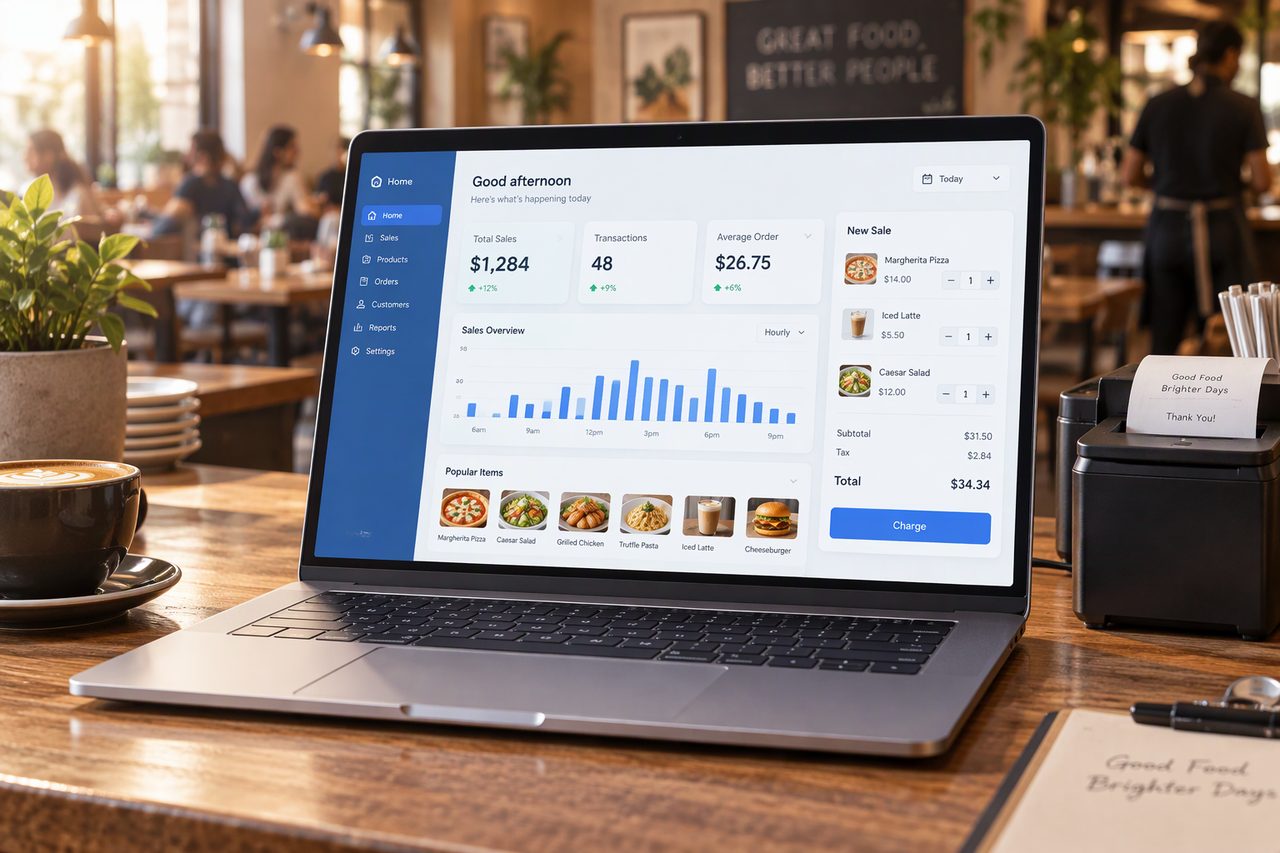
At a glance
- Cloud-based, no server to maintain
- Works offline and syncs automatically
- Desktop, tablet and mobile browser
- Role-based access and audit trail
How Expense Categories works
Three steps from opening the module to a synced record.
Open Expense Management and choose Expense Categories.
Category budgets and limits
Confirm the action. The change flows to billing, stock and reports in real time.
Why teams use Expense Categories
Built for shops, restaurants and multi-branch businesses in Pakistan and beyond.
Branch-specific mapping
Bulk recategorise existing expenses
Runs offline and syncs automatically when the connection returns
Expense Categories FAQ
Short answers to the questions teams ask before switching on expense categories.
Browse all featuresRelated Expense Management features
Keep exploring the tools that work with expense categories.
Try Expense Categories in Sum Cloud POS
Start a free trial, bring your products and see the difference in your first checkout.